HP's Rossignol laptop was a ski-slope fantasy nobody asked for
Back in January 2011, HP launched a special-edition version of its Pavilion dv6 laptop in partnership with Rossignol, the French ski brand that's been making skis since 1907. The idea: sell a €699 notebook dressed in alpine lifestyle imagery to skiing enthusiasts and "mountain lifestyle fanatics." The reality was considerably less glamorous.
The setup
The HP Pavilion dv6 Rossignol Edition came in two models, split along gender lines — the Attraxion VIII Echo for women and the Freeride S7 for men. Under the hood, both ran an Intel Core i5 processor, up to 8GB of RAM, a 500GB hard drive, and a 15.6-inch HD LED display, all on Windows 7 Home Premium. Selected models also bundled Adobe Photoshop Elements and Adobe Premiere Elements, plus an exclusive Rossignol notebook sleeve and custom wallpapers. As SlashGear noted at launch, those are solid mid-range specs for 2011 — but nothing you couldn't find on a plain dv6 for less.
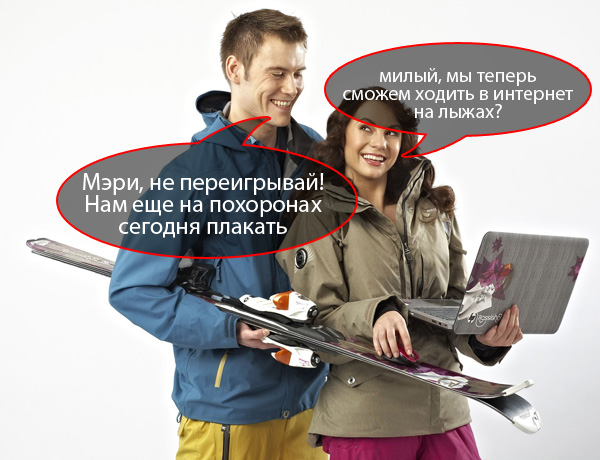
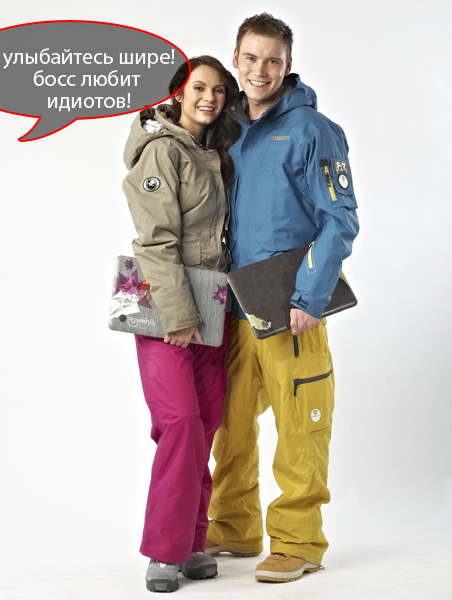
HP Pavilion dv6 Rossignol Edition — the Attraxion VIII Echo (left) and Freeride S7 (right).
Where it fell apart
The €699 price undercut gaming-oriented rivals like Dell and Alienware, but it didn't outperform them on the specs that actually mattered to those buyers. And for general Pavilion shoppers, the Rossignol branding carried no obvious utility. The laptops weren't built in the Alps, didn't come with any meaningful ski-resort software, and the "exclusive extreme skiing video content" promised in the press release was exactly as useful as it sounds.
HP supported the launch with a demo tour spanning 136 events across nine countries, complete with inflatable structures and over 30 vehicles — a significant logistics operation for a product whose retail traction, in the UK at least, proved minimal. Currys and PC World showed no sustained shelf presence, per NotebooksReview's coverage of the announcement.
The demo tour used inflatable structures and branded vehicles to promote the laptops at ski resorts across Europe.
The gender-segmented naming — "Attraxion" for women, "Freeride" for men — also reflected a 2011 marketing playbook that was already starting to attract social media pushback at the time.
The lesson
Co-branding works when the brands share genuine functional overlap. A ski manufacturer and a laptop company share an audience only in the loosest aspirational sense. The dv6 Rossignol Edition launched at peak ski season, which was a smart calendar move, but lifestyle branding alone doesn't shift commodity hardware. Rossignol, to its credit, was investing around €12 million in modernising its French production facilities in Sallanches and Artès that same year — a story of genuine craft that HP's marketing never bothered to connect to the product.
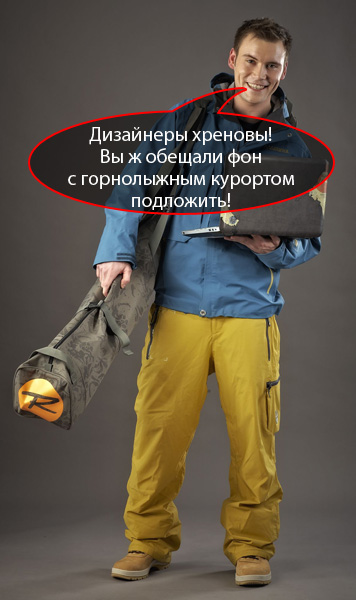
Rossignol's alpine branding was applied to the lid and sleeve, but the internals were standard Pavilion dv6.
The Rossignol dv6 is worth remembering not because it was a bad laptop — it was a perfectly adequate mid-ranger — but because it illustrates how easily a plausible-sounding partnership can produce something no actual customer was waiting for.


